Archive for Uncategorized

My debate with the candidates

As the presidential, gubernatorial and legislative races scurry towards November, candidates and parties are attempting to address my concerns — assuming my concerns are already on their agenda.  As a woman, an aerospace worker and a member of the middle class, my vote is clearly valuable if you judge the campaign by the content of 30-second commercial debates.

But what if my actual concerns for the problems in our community are not on the political agenda of the candidates at all?   Do they ever get addressed or even heard?  Is my vote ever wooed in the direction of a candidate that I actually want in office?

I’ve always felt that rather than debate an opponent, candidates should debate a voter instead.   And with that format, the field is wide open on topics for discussion.

So my debate with the candidates would include issues of the Washington economy and access to affordable health care, but it would also include my long-term concern for the welfare of animals and support for the un-glorified government agencies and organizations that try to address these issues.
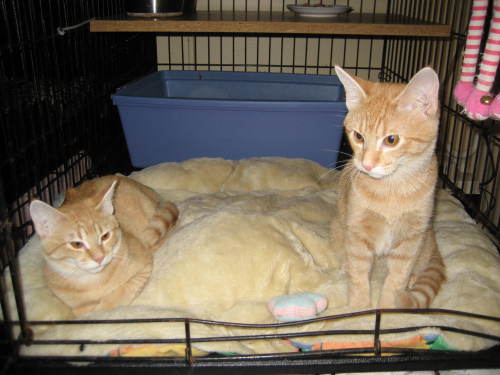
And I’m not alone.  Not only is Seattle an intensely dog-centric city, it is home to roughly 50 animal rescue, welfare and advocacy groups.  Additionally, these groups don’t even reflect a true estimate of the number of individuals who live without harming animals at all.  For example, if we use the density of vegan restaurants (around 20 or so thriving businesses in the City of Seattle) as a yardstick of the number of people interested in the welfare of animals, this unit of measure indicates that Seattleites not only care about animals and what happens to them, but they have created a community that reflects that ethos.

Furthermore, our population of vegetarians, feral cat rescuers, pet adopters, shelter volunteers, foster families, and conscientious people who are willing to take that extra step to house back-yard chickens and goats, buy free-range eggs and support humanely raised local meats should indicate to candidates that animals matter in our community.

So in my hypothetical debate with the candidates, here are a few issues I would like to discuss.

For the past few years, legislators in Olympia have passed over future consideration of the so-called spay/neuter bills.  HB 1226 and SB 5151 would essentially create a state-wide program to provide low-cost, accessible spay/neuter services to all areas of Washington State.   The goal is to help reduce the number of homeless animals that are euthanized in our shelters and to relieve local governments of the financial pressure of dealing with so many homeless pets.  The problem is that it costs money.  Not much money, and the proposal for the program includes a fee on pet food to avoid using general funds.  The opposition is simply from people who are tax-phobic – even when cities and counties in Washington have to pay many times the cost of the spay/neuter program to euthanize animals rather than fix them.

Second, I want to know that progress will be made to help end long-term chaining or tethering of dogs in Washington State. This is an issue that was considered in previous legislative sessions as HB1755 and SB5649. Advocates hope to reintroduce the bills in the 2013 legislative session. From my discussions with a handful of Washington candidates, opposition to this bill comes from legislators who don’t think you can tell people how to treat your dog.  So who will fight the good fight in Olympia?

I recently learned that the Washington Alliance for Humane Legislation (an advocacy group in Olympia) hopes to find sponsorship in the 2013 legislative session for a bill that would give animal control officers (ACO) in Washington the authority to enforce anti-cruelty and neglect laws (read more here).  I don’t need to see another news story about neglected, starving horses or a raided puppy mills to know this is a good idea, but I do need to know my representatives will support such a bill.

Finally, while I’m a fan of small businesses, I don’t feel that businesses that cost our government money, instead of adding to the economy, are appropriate.  This is the problem with retail pet stores found scattered across Washington State.  In the past few years, many city governments in Canada and the US have banned the retail sale of dogs, cats and rabbits to stop the flow of impulse-purchased pets into shelters and end support of puppy mills.  Austin, TX made an early move to ban the sale of dogs and cats and found an almost immediate reduction in the number of animal intakes at their local shelter.  The Los Angeles city council is poised to do the same this fall (ref: Spot).  LA council members in favor of the ban report that it will help reduce the nearly 20,000 animals euthanized in LA each year.

So why not in Washington State?  Why not in Seattle?  We have a lot of homeless pets in our city and our state, coupled with a network of private breeders who can provide purebred dogs to appropriate homes with the proper oversight.  We don’t need animals shipped from puppy and kitten mills in the Midwest and sold to any passers-by.  Furthermore, I’m tired of paying for the consequences of massive numbers of homeless pets shuffled through our animal control agencies statewide.  I want this to be an election issue, and I want to know where the candidates stand.

The propensity for candidates to stick to their issues has never been so well explained than by Anne Romney during her recent Iowa network interview.  When she was pressed to answer questions on birth control, she responded, “Again, you’re asking me questions that are not about what this election is going to be about.”

I’m fairly certain that an election is about what voters decide to speak up about.  And for me, this election agenda includes animal welfare and the financial pressures that failures to address these issues puts on our local and state governments.

CHRISTIE LAGALLY is a freelance columnist who writes for City Living Seattle newspaper and the blog “Sniffing Out Home: A Search for Animal Welfare Solutions” at www.sniffingouthome.org.
Leave a comment »

“Ham Scam”: When pork lobbyists take money from farmers

Below is a press release from the HSUS.  I just printed the press release because apparently mainstream media (including NPR) can’t seem to report the issue fairly.  So here it is from the source.
——

Lawsuit Challenges $60 Million Federal Payout for “The Other White Meat” Slogan

The HSUS and Pig Farmers Allege Iconic Slogan was Sold Unlawfully to Fund Anti-Animal Welfare Lobbying Campaigns

WASHINGTON (Sept. 24, 2012) –The Humane Society of the United States—along with an independent pig farmer and on behalf of its pig farmer members—filed a lawsuit in federal district court, charging that the National Pork Board struck an unlawful backroom deal with a D.C. lobbying organization for the purchase of the iconic “Pork: The Other White Meat” slogan. The deal allows $60 million in pork producers’ money collected for marketing and promotion purposes to be diverted into industry lobbying efforts aimed at harming animal welfare and small farmers.

“The National Pork Producers Council has a failed track record when it comes to representing family farmers and preventing animal cruelty,” said Joe Maxwell, director of rural development and outreach at The HSUS and a Missouri pig farmer. “While we can’t force NPPC to care about animals or family farmers, through this lawsuit we can work to stop our money from being unlawfully funneled straight to its lobbyists who work against us.”

The National Pork Board—a quasi-governmental entity receiving mandatory fees, called “checkoffs,” from independent pork producers—purchased the slogan from its long-time industry ally, the National Pork Producers Council in 2006.

Through months of research, The HSUS uncovered glaring legal violations, conflicts of interest, and an exorbitantly over-inflated $60 million price tag associated with the deal. Much of the extraordinarily inflated value of the slogan resulted from 20 years of promotional campaigns funded entirely with pork producers’ own checkoff funds: roughly half a billion dollars. In essence, NPPC charged pork producers twice: once to make The Other White Meat successful, and again to pay for the value of that success.

Launched in 1987, “The Other White Meat” was developed as the primary promotional message of the National Pork Board’s checkoff program. According to federal law, every U.S. pork producer must pay into the checkoff program, but those funds can only be used for strictly limited promotional and research purposes, and may not be used for lobbying. The U.S. Department of Agriculture supervises the checkoff program and has authority to reject expenditures that are not in compliance with federal laws or regulations.

Records suggest that industry leaders were fully aware of the impropriety of the sale and deliberately worked to prevent public knowledge of it. Then-National Pork Board CEO Steve Murphy wrote in 2006, for example, that his reason for not accepting written appraisals for the sale was to keep that information “sealed” and out of the “public domain.”

The purchase price, to be paid by the National Pork Board to the National Pork Producers Council in 20 annual installments of $3 million each, has been reported by NPPC as representing nearly one-third of its annual budgeted revenue. These payments continue, despite the fact that the slogan has been discontinued and replaced with a new one by the National Pork Board, which has the power to cancel the payments.

The plaintiffs are asking the court to cancel the unlawful purchase and ensure that the remaining balance—tens of millions of dollars—will benefit the producers who fund the checkoff instead of NPPC’s anti-animal, anti-farmer lobbying agenda. The complaint does not challenge the constitutionality of the checkoff program but alleges a gross misuse of a massive amount of federally-compelled check-off payments funneled into lobbying purposes.

Facts:

  • The NPPC lobbies against animal welfare legislation, even when it doesn’t affect the pork industry. For example, NPPC is currently lobbying against the Egg Products Inspection Act Amendments of 2012, H.R. 3798/S. 3239, which would improve the treatment of egg-laying hens and provide a stable and secure future for U.S. egg farmers. NPPC opposes the bill even though it is backed by egg farmers and egg industry groups.
  •  The NPPC advocates for immobilizing breeding pigs in tiny cages essentially for years on end, and it lobbies against laws that would simply allow pigs to turn around. The use of gestation crates has been banned in nine U.S. states, is being phased out by major pork producers and food companies, and condemned by renowned experts like Temple Grandin, Ph.D.

Leave a comment »

New Westminster council considering a ban on retail pet sales thanks to…

Kathy Powelson and the Paws for Hope Animal Foundation (ref: Royal City Record).

It’s amazing what can happen when we let our elected leaders know exactly what our communities need (especially when it doesn’t cost the city to make these changes).  With courage and tenacity, Powelson and her fellow advocates are speaking up for what many people believe is a good step to help end the euthanasia of 3-4 million cats and dogs that end up in North American animal shelters every year (ref:  HSUS, American Humane Association).

Whenever I have spoken to representatives or leaders of the cities where we live and suggest that we ban the sale of animals, the most common response I’ve gotten is “Well, I’ve never thought about it” or “No one has ever suggested it.”

So thank you Kathy for not only suggesting it, but advocating for significant change to help animals.

Check out Paws for Hope Animal Foundation at pawsforhope.org.

Comments (1) »

Clearing obstructions to humane treatment: Court upholds Prop 2 in California

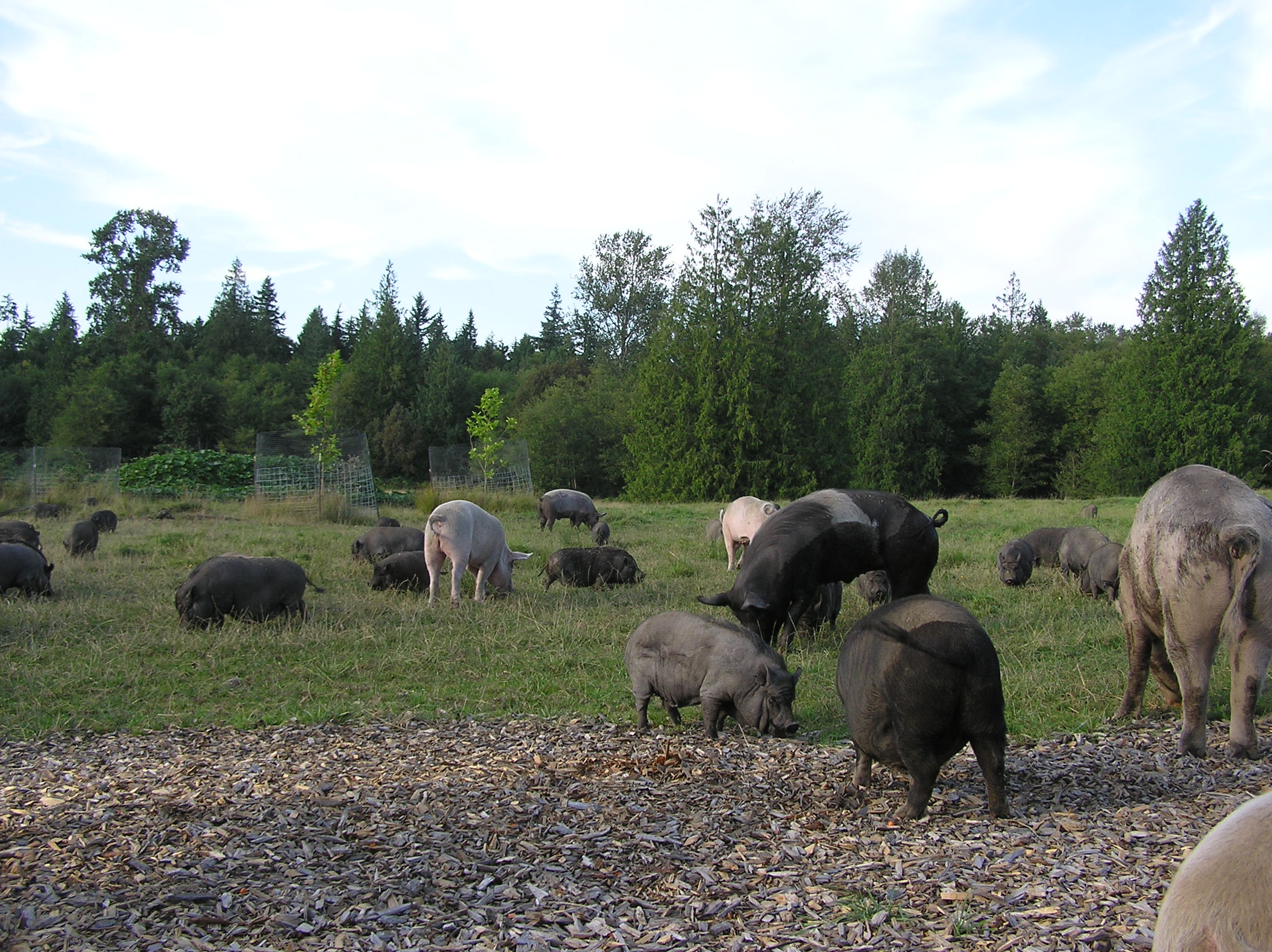
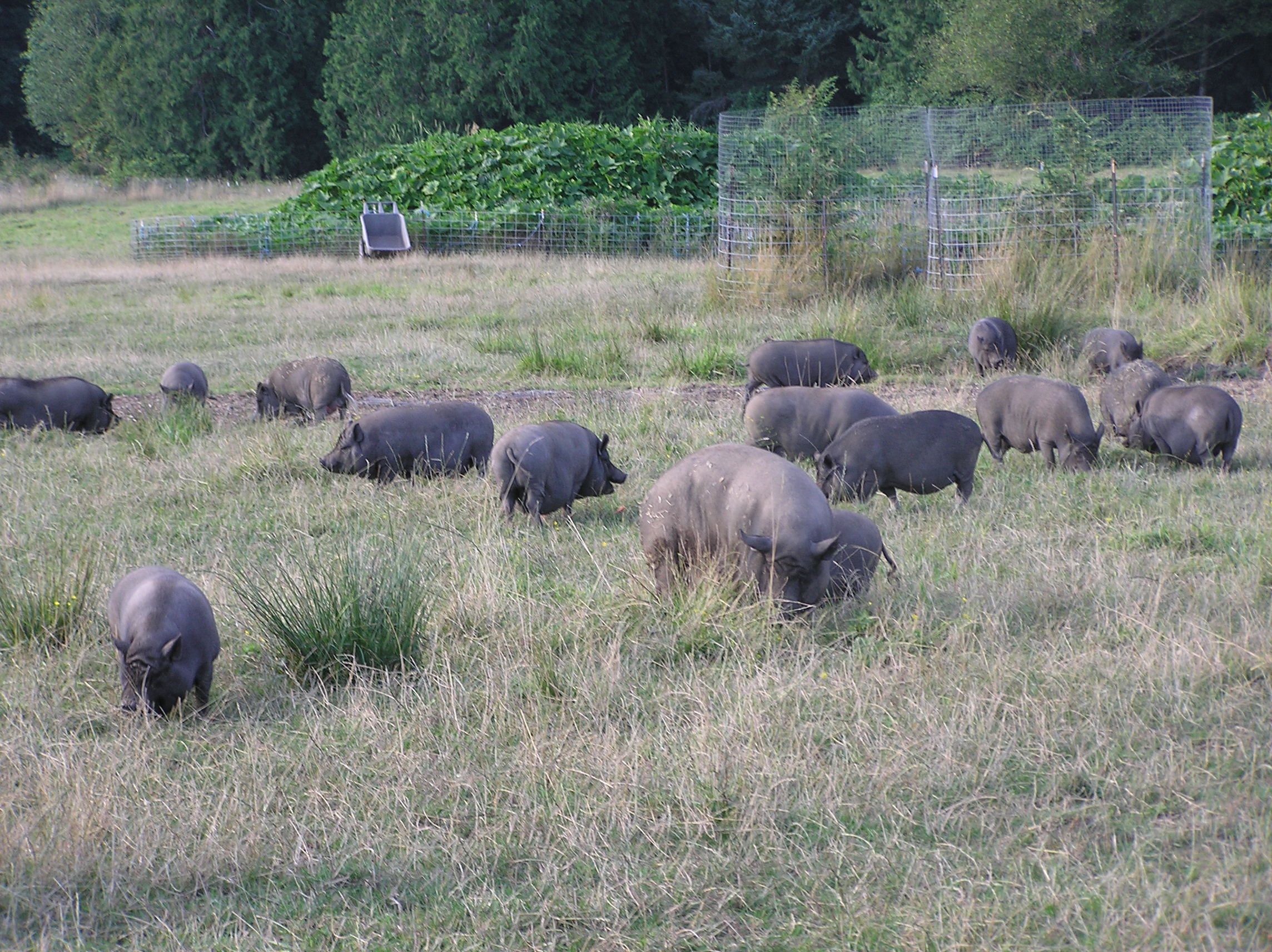
Happy pigs napping at Pigs Peace Sanctuary

I think the HSUS press release explains this one best, so see below.  But essentially, a US court has upheld the constitutionality of a ballot measure to eventually phase out extreme confinement of certain farm animals in California.   Some information on the proposition is copied below.

“California Proposition 2 was enacted in 2008 by a statewide vote of 63.5 to 36.5 percent. It won in 47 of 58 counties, including in many top agricultural and rural counties. The measure granted producers a phase-in period of more than six years to transition to more humane housing systems, and is scheduled to take effect on Jan. 1, 2015.”

 RELEASE from the HSUS:

Federal Court Upholds California Ballot Measure Preventing Extreme Confinement of Farm Animals in Crates and Cages

Proposition 2 Cleared To Take Effect in 2015

LOS ANGELES, Calif. (Sept. 12, 2012)–The U.S. District Court for the Central District of California has upheld the constitutionality of Proposition 2, the California ballot measure banning the inhumane confinement of egg-laying hens, breeding pigs, and veal calves in cages so small the animals cannot stretch their limbs, lie down, or turn around. Acting on motions filed by The Humane Society of the United States and the California Attorney General, the Court rejected each and every challenge to the ballot measure, which was filed by a disgruntled California egg producer earlier this year.

In upholding the measure, the Court concluded that “Proposition 2 establishes a clear test that any law enforcement officer can apply, and that test does not require the investigative acumen of Columbo to determine if an egg farmer is in violation of the statute.” The Court chastised the plaintiff for filing the case, noting that “the mere fact that Plaintiff dislikes or disagrees with the policy or language of Proposition 2 is not sufficient to sustain a Constitutional challenge.”
“We are delighted the Court has sided with the millions of California voters who supported this measure, and chose humane treatment over extreme confinement practices,” said Jonathan R. Lovvorn, senior vice president and chief counsel for animal protection litigation for The Humane Society of the United States. “Proposition 2 is a simple, basic humane standard that is easy to understand, and well within the State’s broad legal authority to prevent animal cruelty.”

California Proposition 2 was enacted in 2008 by a statewide vote of 63.5 to 36.5 percent. It won in 47 of 58 counties, including in many top agricultural and rural counties. The measure granted producers a phase-in period of more than six years to transition to more humane housing systems, and is scheduled to take effect on Jan. 1, 2015.

The Humane Society of the United States, the main backer of the measure, and egg producers in California and nationwide are working together in the U.S. Congress to pass federal legislation— the Egg Products Inspection Act Amendments, S. 3239 sponsored by Sen. Dianne Feinstein, D-Calif., and H.R. 3798 sponsored by Reps. Kurt Schrader, D-Ore., Elton Gallegly, R-Calif., Sam Farr, D-Calif., and Jeff Denham, R-Calif.—that would extend the humane protections of Proposition 2 to the entire U.S. egg industry and phase out the use of barren battery cages over the next 15 to 18 years. A very limited number of farmers have begun to invest in enriched colony housing systems, which provide each bird with nearly double the amount of space as well as nesting areas and scratch pads so they can engage in more natural behaviors, in hopes that this legislation will pass and provide clarity for what is acceptable hen housing in all states in the future.

“Animal welfare groups and the egg industry had a divisive battle over Prop 2, but have now come together and found a solution that is good for animal welfare, the egg industry, and consumers,” said Wayne Pacelle, president and CEO of The Humane Society of the United States. “With this lawsuit behind us, it’s now more clear than ever that Congress needs to pass a federal bill supported by all the major stakeholders—which would give protections not only to California’s 20 million laying hens but to all 285 million hens in the nation, and give egg producers a level playing field that provides stability and security for their industry.”

The HSUS was represented in the case pro bono by lawyers in the San Francisco office of Schiff Hardin, LLP, and The HSUS’ animal protection litigation section.

Leave a comment »

A Sidecar for Pigs Peace Weekend!

Image

Leave a comment »

More to come…”Solutionaries”

Leave a comment »

Veg Awards! Remember to vote today!

A message from our friends at the Pigs Peace Sanctuary!

Yahoo! We’ve been nominated!
 
VegNews deadline to vote for us in the VegNews magazine annual survey is midnight Friday night (Aug 31st).
 
Please take a moment now to vote and enter to win one of the prizes, like the Vegan Caribbean Cruise.
 
 
Now please help us win! 
 
Sidecar for Pigs Peace and Pigs Peace Sanctuary need your vote and want your vote.  
 
Sidecar is in the “Favorite Vegan Storefront” category.
 
Pigs Peace is listed under “Favorite Farmed Animal Sanctuary”.  
 
If you haven¹t voted yet, don¹t wait any longer!  Go here to cast your votes: 
 
Please spread the word to your friends and family; every vote increases awareness!

Leave a comment »

Ziggy and Eric: One year later

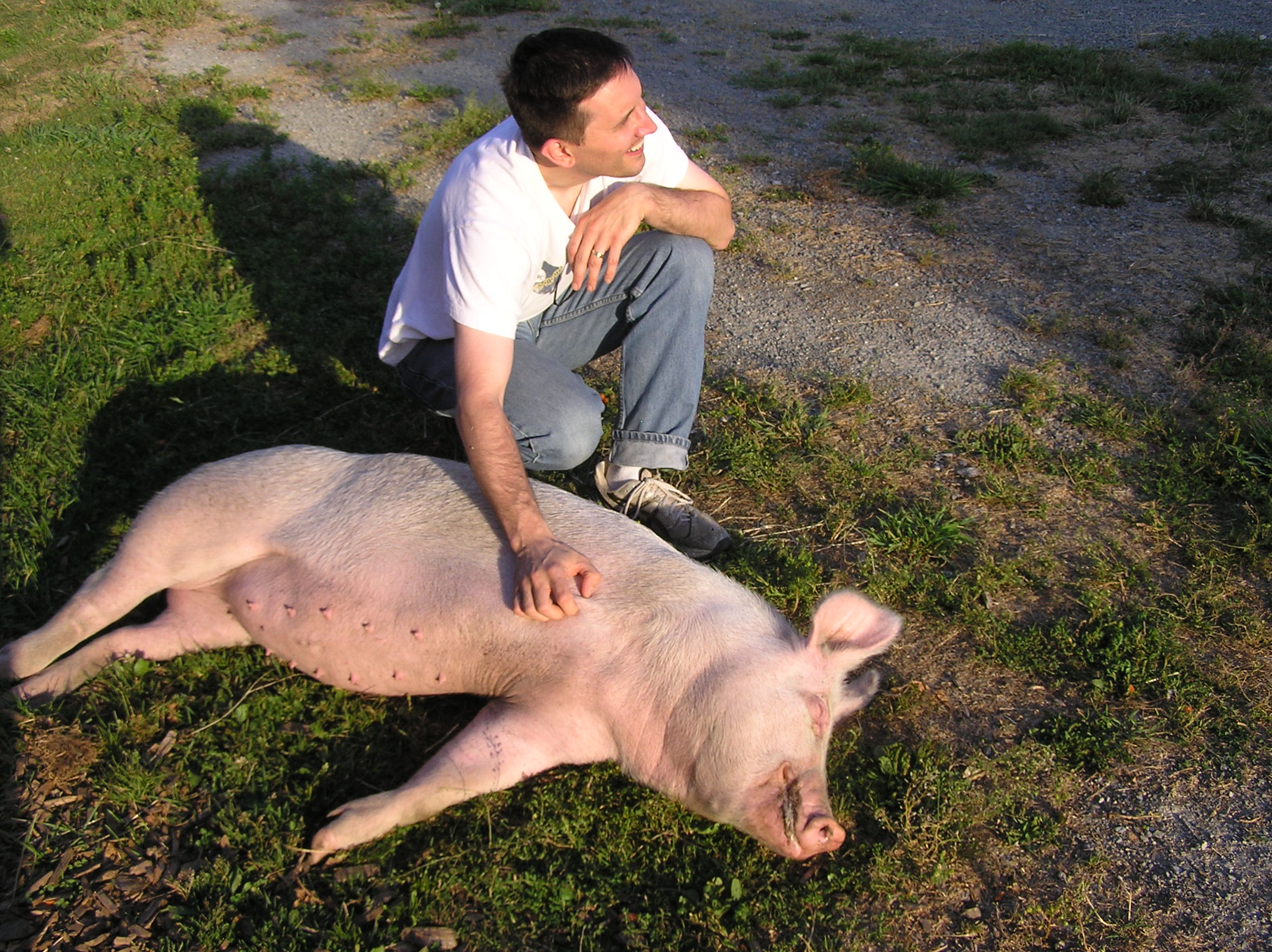
Ziggy and Eric in 2012 (Ziggy was napping!)

About a year ago, I wrote an article on the Pigs Peace Sanctuary where my husband Eric made fast friends with Ziggy, the 3-legged piggy!

This August, Eric and I returned to the Sanctuary for an awesome work party (!) and to say hello to Ziggy again!

See pictures:  Note, Ziggy was  a lot smaller then!

Ziggy and Eric in Aug. 2011

Comments (2) »

AMONG THE ANIMALS: Author learns how animals are kept in captivity for people’s entertainment

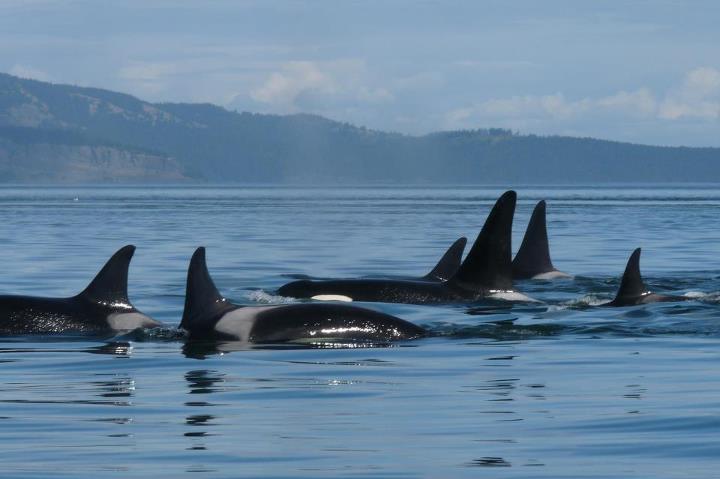
Orca whales in Puget Sound (photo courtesy of the Orca Network)

By Christie Lagally

Originally published in City Living Seattle

Aug. 15, 2011

(c) Pacific Publishing Company

When author David Kirby set out to write about the tragic death of killer whale trainer Dawn Brancheau at SeaWorld Orlando, he found a lot more than an accidental-death investigation and corporate obfuscation of safety issues. He also learned of the plight of captive orcas at SeaWorld and other aquarium parks around the world.

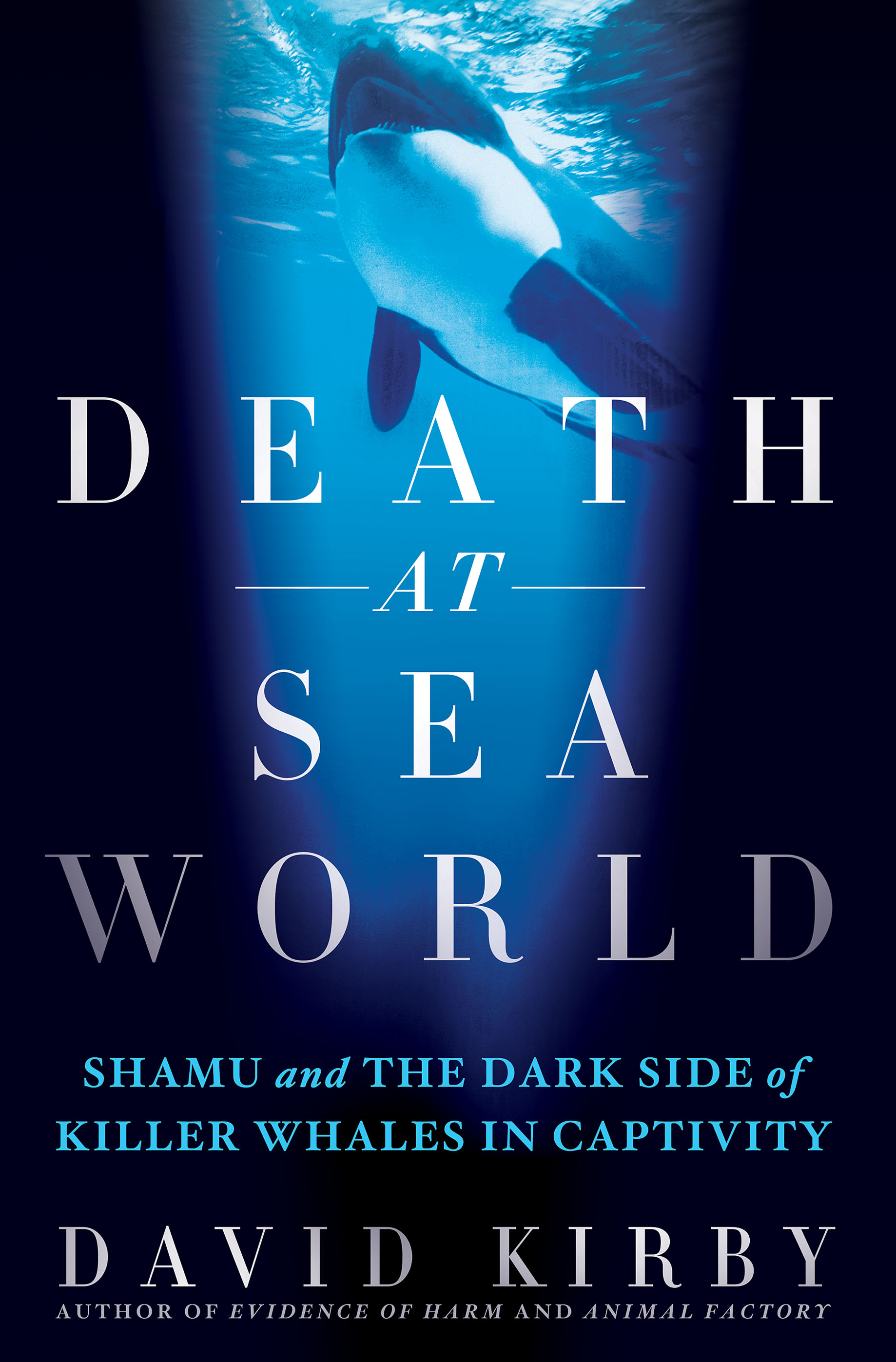
Kirby was recently in Seattle to discuss his research and subsequent book, “Death at SeaWorld: Shamu and the Dark Side of Killer Whales in Captivity.”

While it was one of the first, real summer nights in Seattle, more than 60 people packed The Mountaineers Club at Magnuson Park to hear Kirby speak. Humane Society International senior marine biologist Naomi Rose and former SeaWorld  trainers Samantha Berg and Carol Ray accompanied him.

Rose, Berg and Ray are characters in Kirby’s nonfiction book, which follows from the natural history of orcas, to their lives suffering in captivity and finally the death of Dawn Brancheau and the subsequent investigation of SeaWorld.

“Until you can fully appreciate their life in the wild, you can’t understand how wrong it is to keep them in captivity,” Kirby said in an introduction to the discussion.

Kirby explained that he was not “anti-captivity” when his research began, but he found that the costs of captivity are far too high for these intelligent animals.

Living in captivity

Kirby discovered that SeaWorld was hiding the conditions of whale captivity and the dangers to trainers, and they actively suppressed information — even destroying documents sought by federal investigators into the death of Brancheau.

The atrocities of this issue are difficult to swallow because SeaWorld and other entertainment aquaria have touted themselves as conservationists and owners of the whales for scientific research and public education.

Yet, the four speakers explained that orcas in captivity are intelligent, social mammals, kept in pools much smaller than their natural environment, where their typical life span is 2.5 times shorter than orcas living in the wild.

The confined whales break their teeth on the concrete pool walls and must be fed 80 pounds of gelatin a day to replace the freshwater they would receive from eating live fish in the ocean, according to Kirby.

Shockingly, SeaWorld forced the mating of a male whale to its own mother simply to increase their entertaining population. These are clearly not the actions of a group of conservationists — this is simply exploitation.

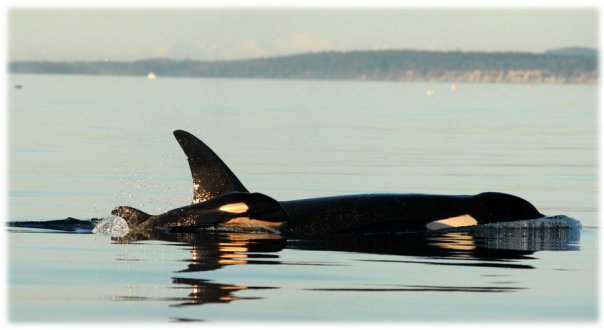
Mother and baby Orca (photo courtesy of Orca Network)

Former SeaWorld trainers Ray and Berg had firsthand stories to tell. They outlined how SeaWorld strips baby whales from their mothers — leaving both emotionally traumatized — and then ships the baby to multiple parks for shows. Normally, orcas in the wild live in tight family pods for their entire lives.

Berg also described the bloody death she witnessed of a false killer whale, and Ray recalled how deceased whales were cut up and shipped to dog-food companies.

Rose has advocated for the release of orca whales and cetaceans in captivity for decades. Kirby’s book describes how her warnings of the dangers of captive orcas “fell on deaf ears.”

But there was also hope in Rose’s voice when she spoke in Seattle. She describes Kirby’s book as a turning point in her work.

“This is a pivotal moment in our campaign, if we could put this issue [of captivity] to rest,” she said.

But where does SeaWorld get these orcas? Many came from here in Puget Sound.

Pod of Orcas (photo courtesy of Orca Network)

Just recently, Howard Garrett of the Orca Network honored the 17th-annual commemoration of the brutal capture of 44 orca whales and drownings of roughly 12 orcas that occurred between 1968 and 1971 in a mass roundup where bombs and aircraft were used to corral the frightened whales to Penn Cove and trap them. Although orcas can live to 60 to 90 years old, all the 44 captive whales have since died in captivity — except one called Lolita, who lives in captivity at the Miami Seaquarium.

Garrett and the Orca Network have been advocating for the release of Lolita. They recommend retirement to a sea pen (or netted cove, where the whale can live and be cared for in a more natural environment).

Lolita’s mother is believed to still live in Puget Sound.

Questions to consider

The issue of captivity of whales and other highly social, intelligent animals (like chimpanzees and elephants) brings to light a very potent question: How is it that so many people who visit SeaWorld do not question why these giant animals live in small pools, how they got to SeaWorld in the first place and, in the case of young animals, where their mothers are today?

But the lure of branding and the guise of conservation and education seem to prevent us from questioning why the whale at SeaWorld, that elephant in the zoo or the cute baby chimpanzee on Animal Planet is not with their families but are on stage, on display or on television instead.

Perhaps the lesson to learn from orcas is not only why their captivity is wrong but to understand why we are so willing to look the other way when wild animals are on display for entertainment.

For more information on the Orca Network, visit www.orcanetwork.org

Death at SeaWorld: Shamu and the Dark Side of Killer Whales in Captivity” is published through St. Martin’s press and available at the Seattle Public Library. 

CHRISTIE LAGALLY writes a blog called “Sniffing Out Home: A Search for Animal Welfare Solutions” at http://www.sniffingouthome.org.

Leave a comment »

“Vote for dogs in 2012” on Seattle Dog Spot

My dog Toby

I’m so excited that Seattle Dog Spot, the recent winner of Pamperyourdog.com’s Top Dog Award,  has posted my article on getting educated on humane issues before you go to vote!  Check it out here.

Remember to vote on or before Aug. 7th!

Leave a comment »