Archive for Uncategorized

AMONG THE ANIMALS: Volunteers save animals from breeding mills, ‘death row’

Brooke, Michelle and their dog BonnieBy Christie Lagally

Oct. 12, 2011

Originally published in City Living Seattle by the Pacific Publishing Company

In the last few years, a growing number of cities have taken a proactive measure against animal homelessness by banning the retail sale of dogs and cats. South Lake Tahoe led the way with its city council unanimously voting in a ban, followed by Albuquerque, N. M. West Hollywood, Calif.; Austin, Texas; Fort Worth, Fla.; and Glendale, Calif., have most recently followed suit. The city council for the largest city in Canada — Toronto — unanimously voted to ban the retail sale of dogs and cats just recently.

These cities acted on a local level to tackle a regional problem: industrialized breeding of kittens and puppies (a. k. a. puppy mills) and pet overpopulation, leading to mass euthanasia in city pounds and shelters. Pet overpopulation is a municipal problem that costs cities and communities hundreds of thousands of dollars in shelter costs, cruelty investigations and euthanasia.

Momo is for adoption through Ginger's Pet Rescue

‘Death-row dogs’

Puppy and kitten mills are found almost anywhere in Washington state and elsewhere in the United States. And while retailers can make considerable profit selling animals, the reality is that breeding dogs and cats is not profitable under humane conditions. Hence, we have seen the rise of puppy and kitten mills, where breeding parents live in small, unsanitary cages, usually outdoors, with no exercise or veterinary care. The conditions are deplorable, and many breeding parents die before they are rescued.

City councils have discovered that by banning retail sales of dogs and cats, they can curb the economic demand for this type of breeding operation and save thousands of animals and thousands of dollars.

Like many surrounding cities, Seattle has no such ban, and backyard puppy mills and crowded shelters are common on the West Coast. Luckily, Seattle is blessed with many rescue groups that tackle pet homelessness.

But one such group, Ginger’s Pet Rescue, is dedicated to specifically saving those “death-row dogs” that are about to be euthanized in shelters from Washington state to Los Angeles and rescuing dogs directly from puppy mills.
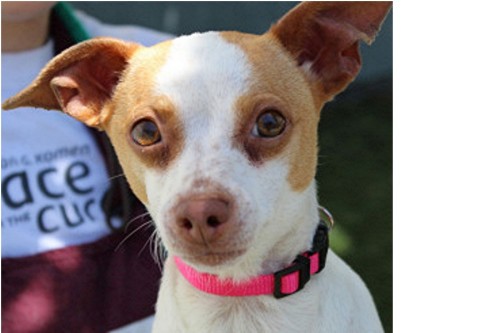
Billy Jean, rat terrier mix available for adoption through Ginger's Pet Rescue

Foster care

Ginger’s Pet Rescue was started by Ginger Luke, who owns the Rickshaw Chinese Restaurant in Greenwood. The rescue group receives dogs from high-kill animal shelters and negotiates the release of breeding dogs from puppy mills to end the breeding operation.

If this sounds like an intensive operation, that’s because it is. Rescue dogs must be flown in from other cities or transported via car by volunteers. Each dog is given the care they need through a partnership with Greenwood Animal Hospital, but veterinary costs are high to treat so many dogs, and donations are desperately needed.

Without a centralized shelter, all the dogs are in foster care with more than 100 volunteers working with Ginger’s Pet Rescue. Volunteers provide care, love and reassurance for the dogs, and currently more foster families are urgently needed here in Seattle.
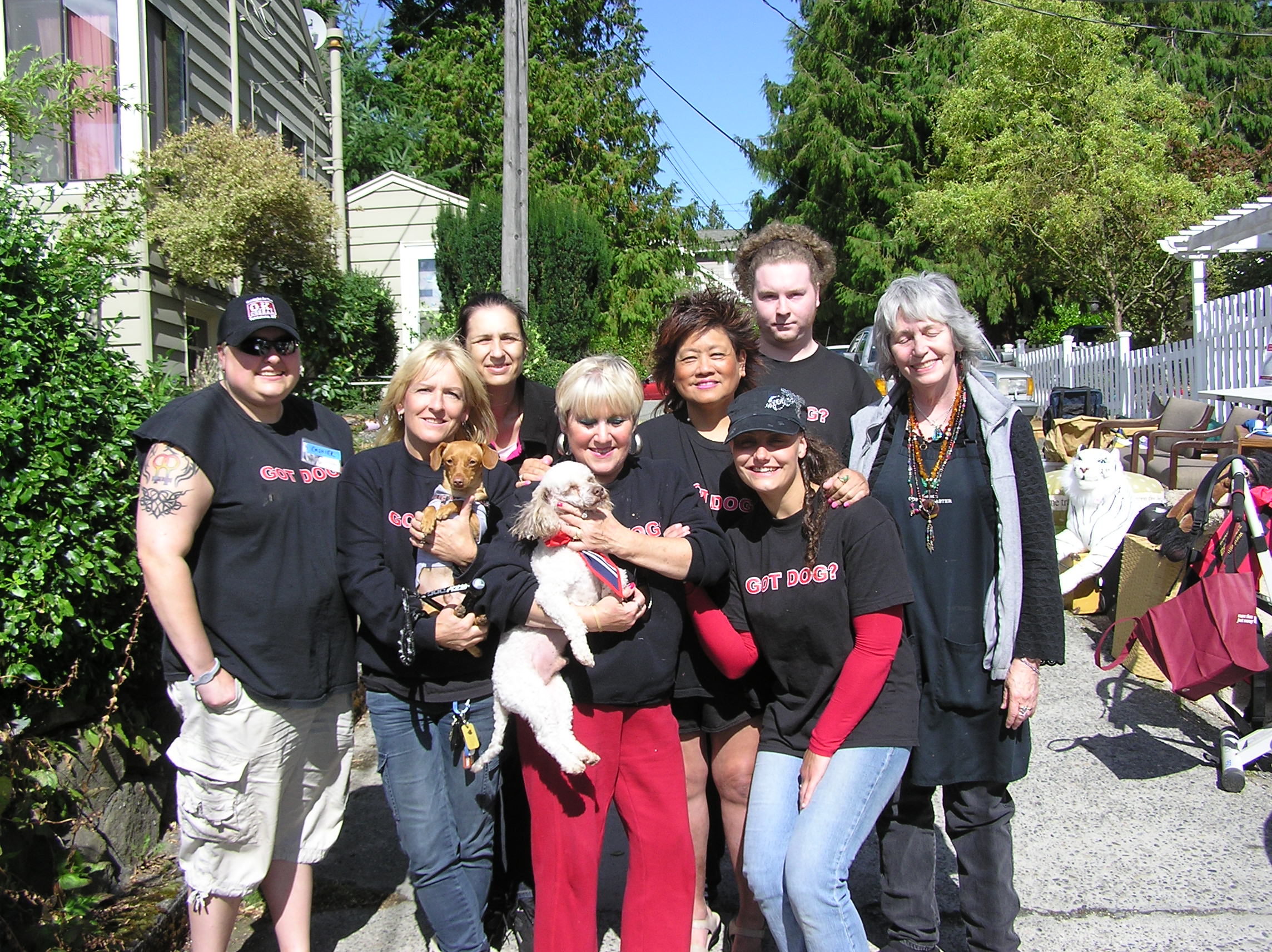
Dedicated volunteers of Ginger's Pet Rescue

While there are a lot of things that make Ginger’s Pet Rescue unique, a conversation with the volunteers reveals a very special group of people. Rescuing dogs from all over the West Coast takes organization and commitment, and a genuine feeling of teamwork was obvious during an interview with Ginger’s volunteers.

Brooke Stanton and her partner, Michelle Smith, are foster “mothers” providing care to two dogs through Ginger’s Rescue. Stanton was originally an adopter from the Rescue when she brought Clyde, as Australian shepherd, into her home. Stanton soon found that she had room for a few more souls in the house.

When Smith decided she was ready to adopt as well, the couple fostered several dogs before they met Bonnie. Now with Bonnie and Clyde at the helm, the family of four continues to give its time and love to help foster more dogs through the Rescue. Thanks to Brooke and Michelle’s foster care, Momo and Billy Jean, both female rat-terrier mixes, are available for adoption through Ginger’s Pet Rescue.

More volunteers needed

Dedicated foster volunteers make the difference between life and death for dogs in crowded, high-kill shelters or confined at puppy mills. And while municipal laws to mitigate both these problems may not yet have come to cities in Washington state, Ginger’s Pet Rescue is putting a dent in pet homelessness and preventing euthanasia by saving one dog at a time.

Currently, foster homes are needed for about 20 “death-row dogs” received by the Rescue every other weekend.

If you cannot foster, Ginger’s Pet Rescue also needs transporters, volunteers and people who can help fund-raise. Currently, the rescue owes around $28,000 in veterinary bills for care for special-needs dogs who are deaf, blind, have only three legs have been hit by cars or need cancer treatment.

For more information or to find dogs to adopt, check out Ginger’s Pet Rescue online at www.gingerspetrescue.org.

CHRISTIE LAGALLY is a freelance pet columnist who manages the website “Sniffing Out Home: A Search for Animal Welfare Solutions” at www.sniffingouthome.org.
Leave a comment »

Canadian pet store snowball begins to roll

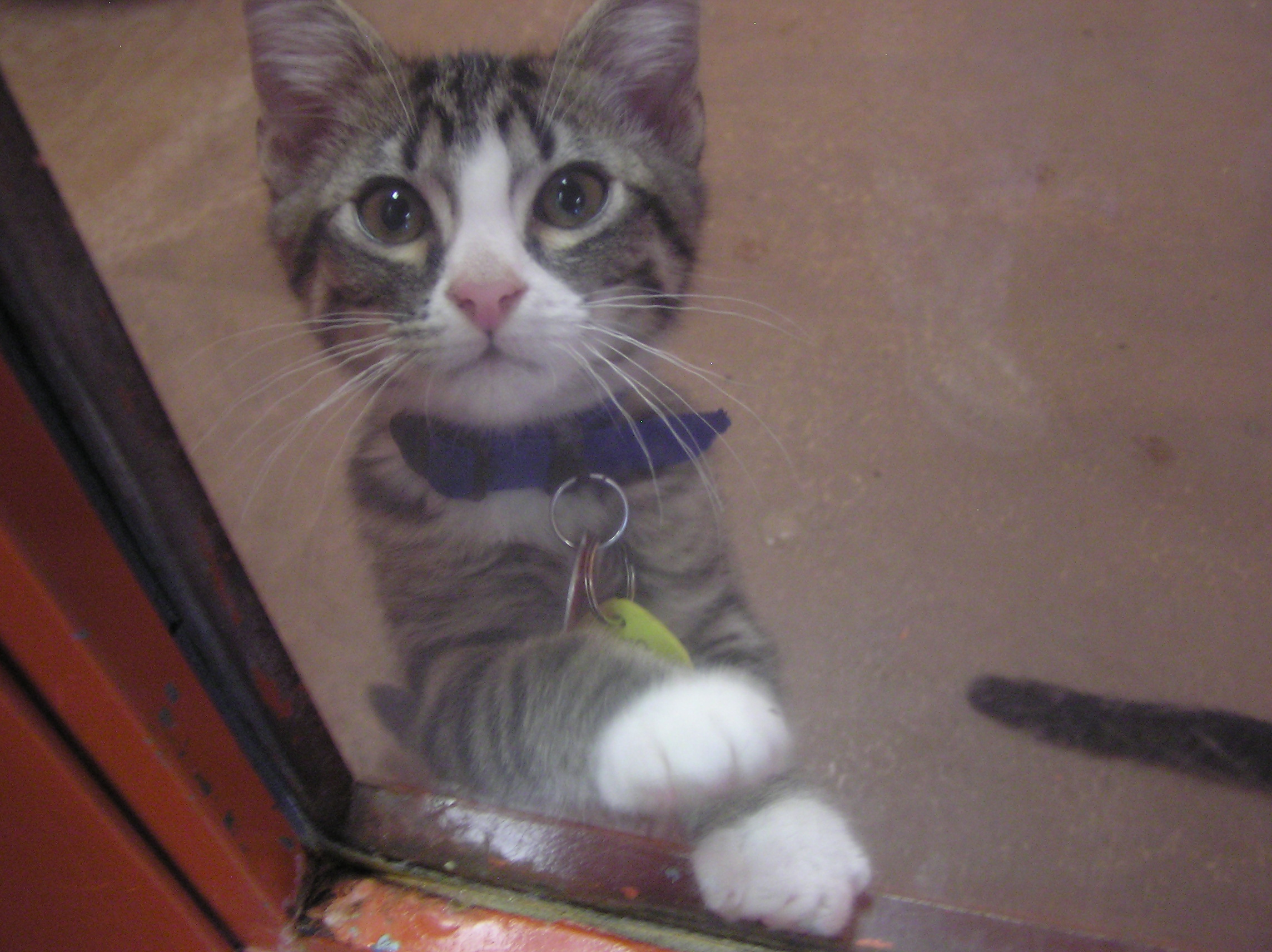
Kitten at N.O.A.H. just north of Seattle

On Oct. 4, 2010, Richmond, BC became the first city in Canada to ban the sale of dogs in pet stores (want to know more? See media coverage here).  Almost one year later, the City of Toronto, Ontario, Canada’s largest municipality, decided to ban the sale of dogs and cats from pet stores for many the same reasons as Richmond.

Richmond’s puppy sale ban was a landmark bylaw not only because it was the first in Canada, but also because it considered the extraordinary costs to a community to ignore animal welfare — both financial and ethical. Furthermore, the Richmond’s puppy sale ban was also challenged in the BC Supreme Court and ultimately upheld with Judge Savage writing that “a decision to prohibit the sale of dogs in pet stores falls within a range of acceptable outcomes that are defensible with regard to the facts and law. There is rational connection between the Bylaw and its objective.”

With this court decision in their back pockets, animal activists, tax payers and city governments are beginning to view a retail pet sale ban as a reasonable and viable option to cut out the costs of thousand of homeless dogs they see every year and end support of cruel puppy and kitten mills.

While change often starts small, the retail pet sale ban appears to be gaining momentum.  Neighboring cities of Richmond, BC are starting to talk ‘a pet sale ban’ as a possible solution to their common problem.

Burnaby activist and foundation founder, Kathy Powelson, of the Paws for Hope Foundation has brought some energy to the issue for Burnaby.  Based on this article in the BurnabyNow, Burnaby’s mayor is willing to investigate the option.

Port Coquitlam’s TheNow is reporting a similar trend with Councillor Brad West indicating a desire to see a similar restriction on pet sales as were established by Richmond’s councilors.

And now Saskatoon, SK and Beaconsfield, QC are talking about a retail pet sale ban as well. City council members, activists and rescue group leaders see a pet sale ban as a practical and workable solution to the tragic consequences of pet homelessness according to news articles in the The StarPhoenix and the Montreal Gazette.

Meanwhile back in Richmond, while pet stores continue to complain over loss of business, Councillor Ken Johnson is reporting that the “new law seems to be working and there are bigger issues at stake than dollars” according to an article in the Richmond News.

So, will your city be next?

A very special ‘thank you’ to Helen Savkovic for doing ALL the media research for this post.  Thanks Helen!

Comments (1) »

Milk cows get some assistance from a Seattle law firm

Here is an interesting and tragic article on a group trying to end systematic killing of dairy cows.  Like all factory farming, dairy-farming, which depends on constant breeding of cows, ends up being a cruel practice when new-born calves are taken from their mothers shortly after birth and mothers are used for milk than then slaughtered.   In this case, a law group in Seattle is assisting the Compassion Over Killing group when one of their investigations into animal welfare revealed what appears to be milk price-fixing by additional slaughtering of cows.  See article here.

Leave a comment »

Toronto bans retail sales of dogs and cats!

A second city in Canada has banned the retail sale of dogs (and cats too!) effectively ending retail pet sales of puppies and kittens in the city limits.  But not just any city, … Canada’s largest city, Toronto, home to more than 2.5 million people.

In a move that helps solidify the future of pets stores and the kind of business they can provide in the region, there is no excuse any longer for cities in Canada, the US and across the world to not make this practical and ethical change in their city bylaws.

Media coverage links of this major municipal decision is provided by Helen Savkovic.  (Thanks Helen! )

Global News
Canadian Business
National Post
All Voices
The Gazette
City News Toronto
CTV Toronto
Globe and Mail
Helen’s favorite quotes from media coverage? 
“I think we’re the second major municipality in Canada to do this, so that from coast to coast, we’re going to protect dogs across this country,” said a jubilant Councillor Glenn De Baeremaeker, who had championed the partial ban.
“For all intents and purposes we’ve shut the taps to the puppy mills at retail locations in Toronto. We won’t eliminate them because people will still sell at Kajiji and there is other ways to sell puppy mill dogs, so those evil people will continue but there’s a lot less demand for their product,” said Mr. De Baeremaeker. “Eventually, hopefully, there won’t be any puppy mills at all.”
My favorite quote?
“It really slams the door closed on people who mass produce animals for profit,” said Mr. De Baeremaeker, adding it should help to stop sales of such animals at flea markets as well.  ~ Globe & Mail


Leave a comment »

“…moral progress can be judged by the way in which its animals are treated.” ~Gandhi

October 2 is World Farm Animals Day, but cruelty is being largely ignored in the US.  While cats and dogs and other pet animals enjoy a certain level of protection from welfare groups, farm animals continue to be the victims of horrible industrialized abuse for meat production.

While meat has been a part of the human diet for centuries, factory farming has not.  While animals have been killed for human food for eons, factory farming has made this practice into something that most people would call completely inhumane.

Given our diversity of backgrounds,  I realize that not everyone can be vegan or vegetarian, but we can be humane.  Check out some ways to make easy changes to stop the needless suffering resulting from meat production at the FARM website.

Leave a comment »

AMONG THE ANIMALS: Sanctuary goes hog-wild over saving pigs

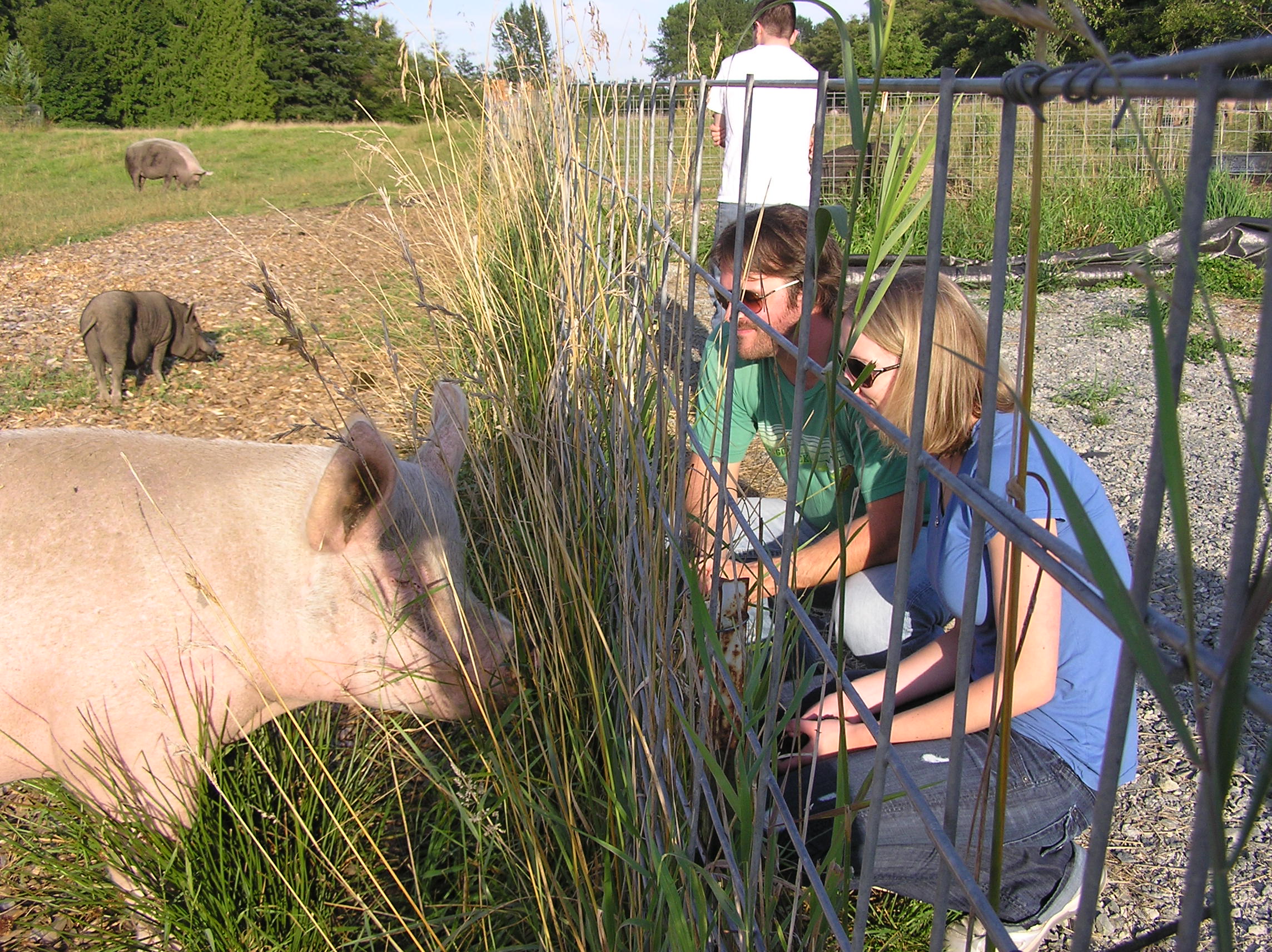
Visitors to the sanctuary greet a pleasant pig

Copyright (C) Pacific Publishing Company

Originally published in City Living Seattle, Sept. 14, 2011

By Christie Lagally

“Any plans for the weekend?” my coworker asked.

“Yes, I’m visiting a pig sanctuary,” I said emphatically. My co-worker’s face displayed curiosity and confusion.

“Why do pigs need a sanctuary?” he asked. I said I’d find out.

Pigs Peace Sanctuary in Stanwood, Wash., is a picturesque meadow farm providing a permanent home for all breeds of rescued pigs. For 17 years, caretaker and Sanctuary founder Judy Woods has maintained and cared for her charges. My husband and I visited Woods on a quiet Sunday afternoon in August.

The first two pigs we met were a cross-section of the Sanctuary’s population. Ziggy, a 9-month-old pink Yorkshire pig was brought to the farm sporting only three legs but a great attitude about life.

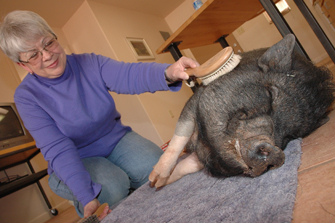
Joy, a pot-bellied pig

Ziggy was enjoying her private water pond when we arrived, and she hopped up to get her head scratched. She shares her hut with the most recent sanctuary arrival, Boris, a potbellied pig who was victim of blatant neglect in his previous home, leaving him nearly blind and unable to walk.

Woods explained his recovery would take time and extensive medical care, but she had seen this happen before. Each of the 191 sanctuary pigs has a special and often-difficult story.

Finding sanctuary

Many of the residents are former pet pigs, those sold from pet stores or breeders marketing potbellied pigs as “perfect household pets.” These animals are frequently abandoned, abused or neglected when an apparently unsuspecting individual purchases a piglet and soon discovers they live with a pig who can tear down wallpaper and requires frequent attention, care, exercise and feeding for the next 18 years.

But it’s not just pet pigs that find sanctuary here. Pigs Peace is also a permanent home to pigs used for medical research, taken from horrible conditions on factory farms or cast off from the entertainment industry.

The flip side of these sad stories is that Woods and supporters of Pigs Peace have made it possible for the animals to live their lives as happy pigs. Each of the pigs has specific piggy friends. Pigs, on a warm summer night, will forgo their cozy, hay-filled barn to camp in the meadow and actually build a small hut for the party.

“If people feel the work we do is important, we need them to support the Sanctuary,” said Woods, who works on fund-raising and updates Facebook daily to keep the public informed on the pigs.  (Pigs Peace is hosting a “Walk for the Animals” on Saturday, Sept. 17, around Seattle’s Green Lake to support the Sanctuary. More information is on-line at pigspeace.org.)

Pigs getting carrots

Eating pork?

A young couple from Issaquah  was also visiting that day. Heather Faoro and her husband said they have always liked pigs, but this was their first opportunity to visit a pig sanctuary.

And while the couple doesn’t claim to be vegetarian, Faoro said that she and her husband don’t eat pigs.

“It’s hard to bond with these animals and not make that shift,” Faoro said of their decision to stop eating pork.

While a visit with the Pigs Peace residents leaves you pondering the ethics of meat consumption, the organization provides a workable solution to this quandary.

In the heart of Seattle’s University District is an upscale vegan grocery called Sidecar for Pigs Peace. Store manager Doh Driver and her team of volunteer store keepers operate the colorfully displayed grocery offering a wide variety of foodstuffs, including high-quality mock meats, vegan marshmallows and even vegan cat and dog food.

Driver says some of the most popular items include a cheese substitute out of Scotland called “Sheese,” and vegan corndogs, a customer favorite.

A happy life

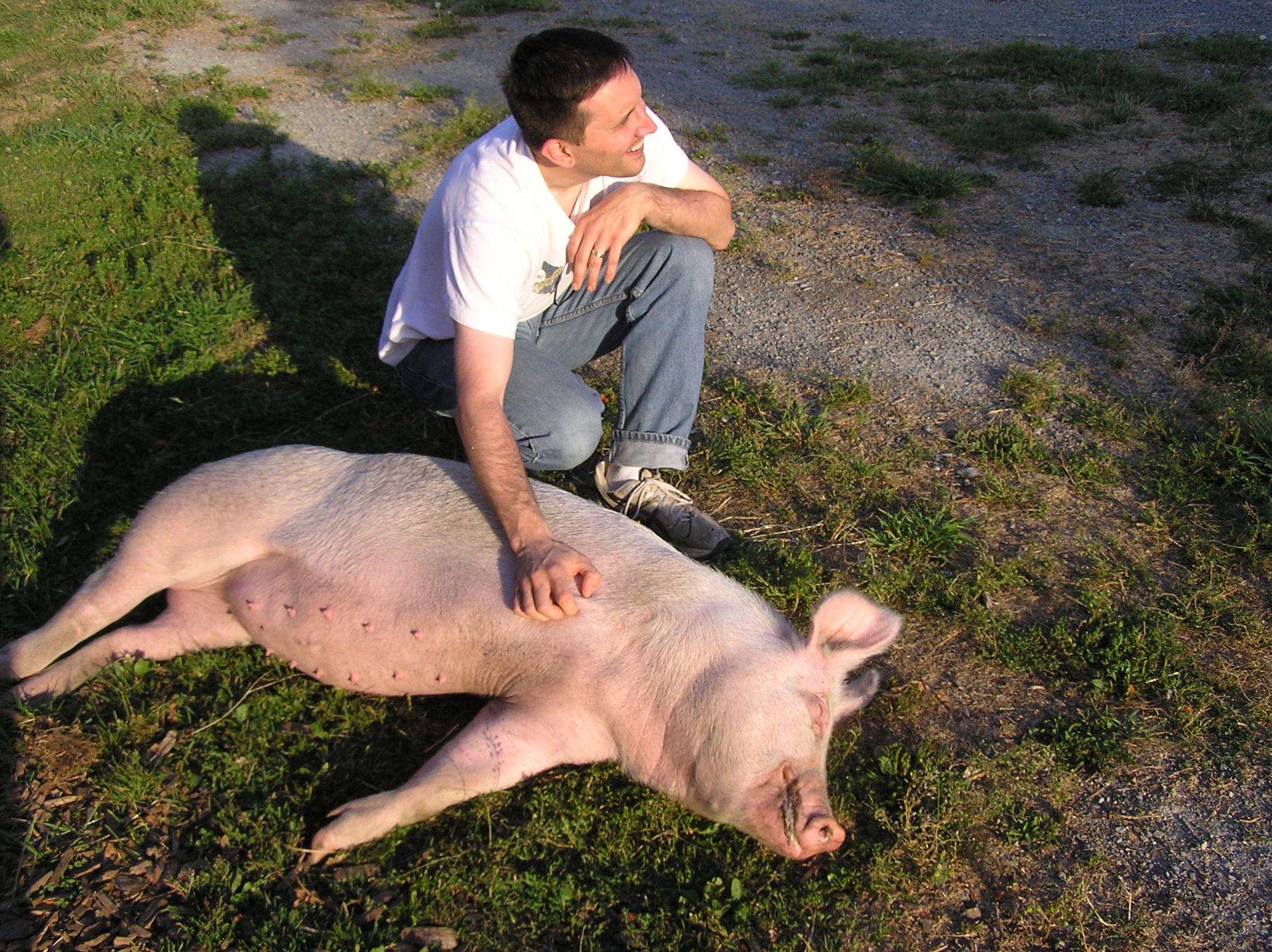
As the sun was setting on our Sunday evening visit to Pigs Peace Sanctuary, Ziggy came out to say goodbye. She had been eating carrots with a fellow pig and was rooting through the grass for the pieces.

Ziggy enjoys a scratch from Eric

My husband, Eric, stooped down to scratch her stomach when I witnessed the most potent moment of the evening. While Eric scratched, Ziggy slowly closed her eyes, and the edges of her long snout-covered mouth tipped decidedly upward in an unmistakable smile of deep contentment.

While I knew almost nothing of pigs, in that moment, Ziggy told me so much about the beautiful nature of these animals, and the reason we need a sanctuary for pigs.

CHRISTIE LAGALLY is a freelance pet columnist who manages the website Sniffing Out Home: A Search for Animal Welfare Solutions at http://www.sniffingouthome.org.

Leave a comment »

…as long as it happens.

Petland, the largest pet store chain in Canada with 37 stores selling puppies and kittens,  has announce that it will ‘phase out’ the sale of dogs and cats in its retail outlets.  Claiming that this comes because of a supposed  ‘change in the way people acquire pets through online sources, the pet store chain has already taken heavy pressure from groups like Actions Speak Louder Calgary to stop selling puppies (Source: Global TV Calgary, Actions Speak Louder Calgary, Winnipeg CTV).

In just about every public statement, Petland spokespersons say they always got their dogs from ‘respectable breeders’.  While this is not only unlikely, it is also untrue.  The Petland chain has frequently been identified as a retailer of puppy mill bred dogs according to investigations by the US Humane Society.

Petland follows PJ’s Pet’s (a.k.a Pets Unlimited) (the two largest chains of pet stores in Canada) who recently announced they would stop selling puppies as well.  Independent pet stores selling animals and Pet Habitat now look like dinosaurs in the land of ‘enlighten pet stores’.

But while Petland claims that they never sourced from industrial breeding farms (i.e. puppy mills and kitten mills), one can’t ignore the incredible pressure that BC Supreme court-backed Richmond puppy sale ban, the proposed Winnipeg puppy sale ban and the excellent work of groups like Actions Speak Louder Calgary have had on public understanding of the shady industry of pet sales.   I would suspect (tongue in cheek) that this ‘change in the way people purchase animals’ has a lot to do with people deciding not to support the pet industry at all, and choosing to adopt their pet instead.

But as my friend Helen frequently reminded me last year when we worked to prove that our local pets stores were sourcing from puppy mills, as long as the pet stores stop selling dogs and cats (and other animals too), then the positive outcome will have been achieved.

So power to the pet stores who choose the path to be a bit more humane.  We don’t care how you happen to stop selling animals, … as long as it happens.

Comments (2) »

Really, the circus? You’d think we’d know better by now

Yes, really.  Believe it or not, animals are still used for entertainment in circuses and badly treated to make them perform. This isn’t a sensationalist animal rights  issue that’s blow out of proportion, it’s real a problem.  Fortunately, cruelty towards animals is a felony in Washington State (as I recently learned), but that does not stop some people (like Ringling Bros.) from walking and crossing that line.  Animals deserve a sanctuary not a performance ring, not because of ‘animal rights’ but just because they are living, feeling and thinking animals.

The Northwest Animal Rights Network (NARN) is hosting four protests and information sessions to enlighten circus goers to the cruelty.

Here is the information from the NARN website:

Circus Protests in Everett
When: Thursday, September 8th – Sunday, September 11th:
Thu, Sep. 8th @ 6:00pm – 7:30pm;
Fri, Sep. 9th @ 6:00pm – 7:30pm;
Sat, Sep. 10th @ 10:00am – 11:30am, 2:00pm – 3:30pm, 6:00pm – 7:30pm;
Sun, Sep. 11th @ 11:30am – 1:00pm, 3:30pm – 5:00pm
Where: Comcast Arena (2000 Hewitt Ave, Everett)
(map)

Ringling Bros Circus is bringing their cruel show to Everett
NARN will be there to educate circus goers about what really goes on behind the big top.
Demos typically start an hour and a half before each show time.
Meet at the corner of Hewitt & Oakes
For more information on how to get to Comcast Arena see
http://www.comcastarenaeverett.com/Directions.ashx?p=1104
for questions about the demos, contact info[at]narn[dot]org

Leave a comment »

Cat trappers featured on KPLU

Cat trappers from Grays Harbor (KPLU)

While animal welfare doesn’t get the media coverage that say sports and business events get in every dose of news broadcast, it’s really nice to see my local NPR station covering the activities of animal welfare activists.  Check out this article on KPLU.

Leave a comment »

My Cat, Pit Bull and Pig Education

Best Friends Pig Week photo

I’ve been learning a lot lately about cats and pit bulls as I was lucky enough to get the opportunity to interview representatives of the Feral Cat Spay/Neuter Project and the BullsEye Dog Rescue.  My education has been nicely supplemented with almost daily emails from Best Friend’s about pit bulls and cats.

As it happens, this week I am hard at work (just kidding — this is tons of fun!) learning about pigs and the dedicated individuals who promote veganism as a way to “opt out”* of the cruelty involved in industrialized meat, dairy and egg production. As such, the Best Friend’s email newsletter in my inbox this afternoon was timely once again because they are celebrating Pig Week! Yes, Pig Week!  From pot bellies to farm beauties, the Sanctuary cares for the lot.  Learn about some pigs on the Best Friend’s website.

* Note that “opt out” is a wonderful phrase used by Doh Driver, manager of the wonderful vegan Seattle grocery, Sidecar for Pigs Peace.

Leave a comment »